Battery Health
Everything you need to know about refurbished batteries, and why they are worth it.
E-Bike Battery Health: Is a Refurbished E-Bike Worth It?
The number one thing people worry about when buying a second-hand e-bike is that they will receive an old battery with reduced performance capabilities. This worry is understandable. It's the most expensive part of the bike after all. But "used" doesn't mean "used up." Here's what actually determines how long an e-bike battery lasts, how we make sure a refurbished battery is safe and reliable, and why buying refurbished is a smart idea instead of a risk.
Why You Can Trust Our Refurbished E-Bikes
- 90%+ State of Health after up to 3 years of use: Our refurbished batteries still hold more than 90% of their original capacity, even after up to three years of use.
- Battery health on every listing: We show the verified State of Health (SoH) for every bike, so you know exactly what you're getting before you buy.
- 2-year warranty: Every e-bike battery now comes with a 2-year warranty.
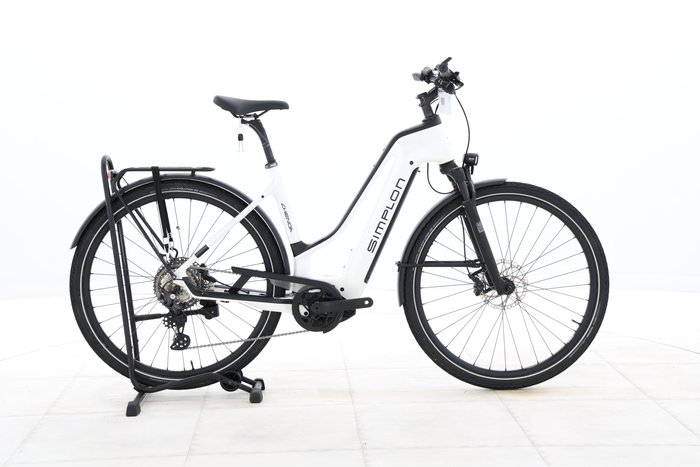
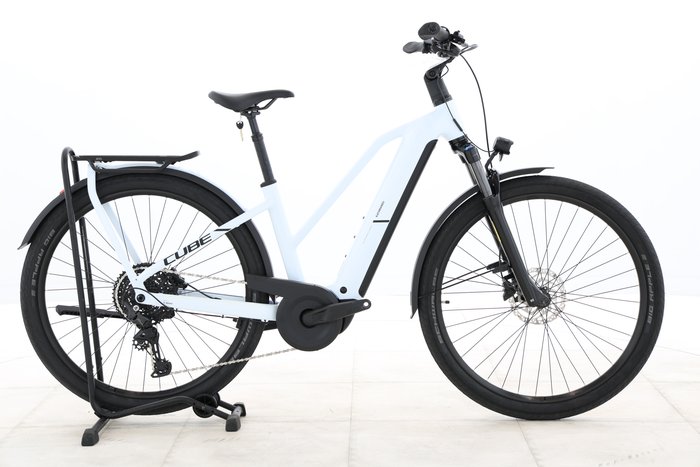
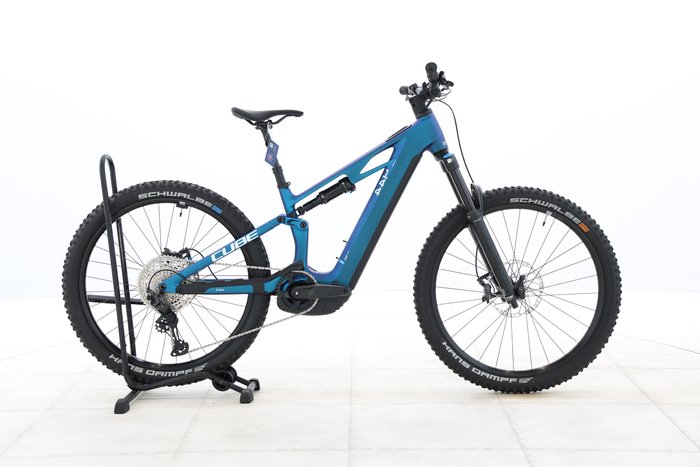
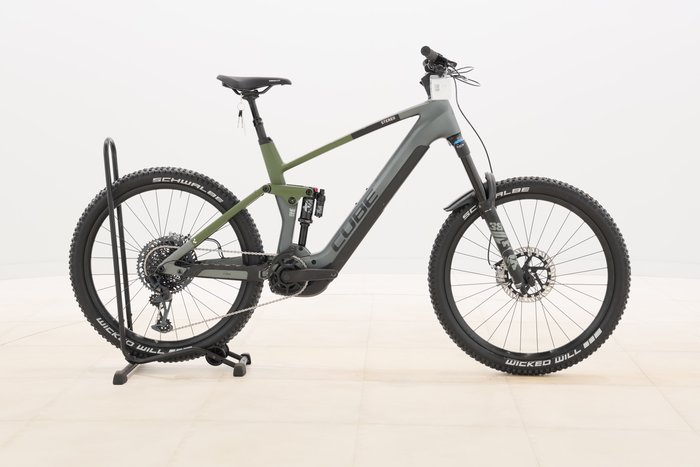
Find your refurbished bike now!
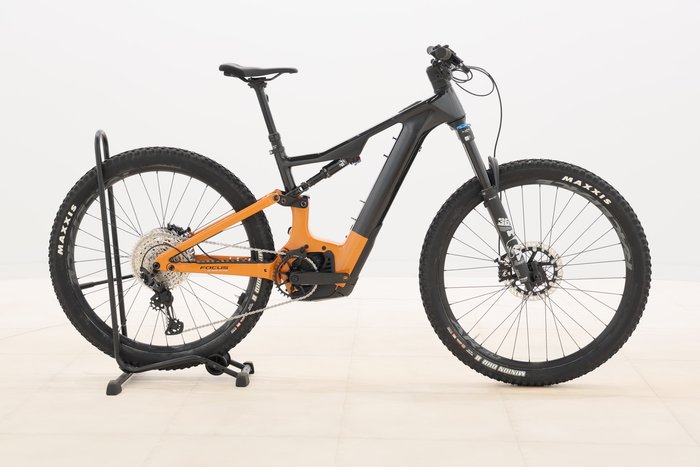
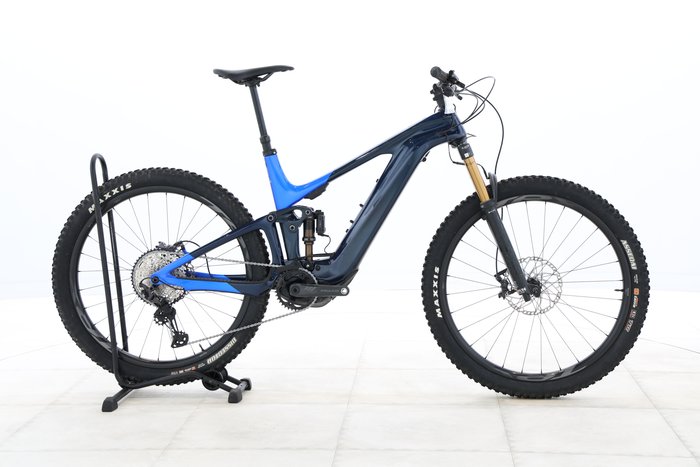
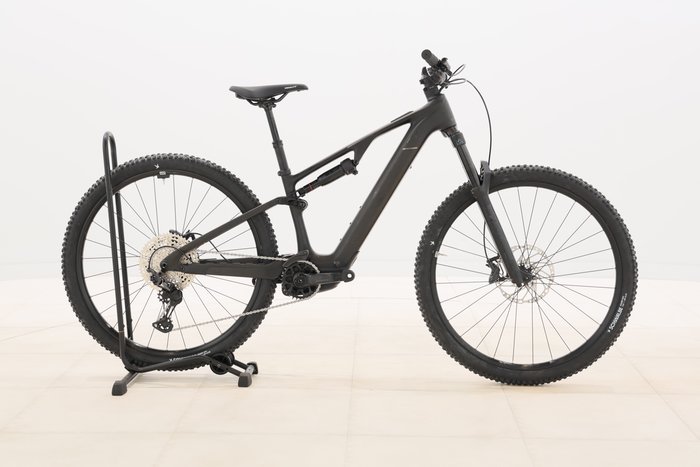
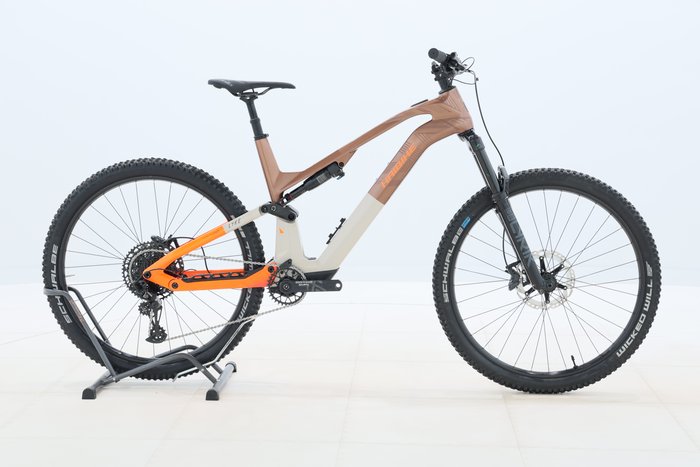
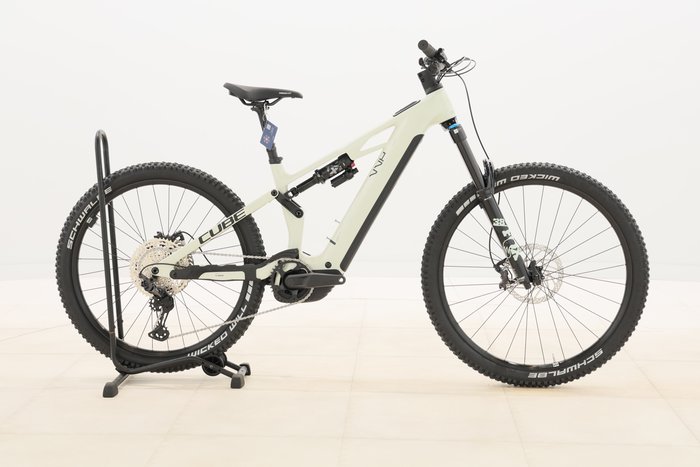
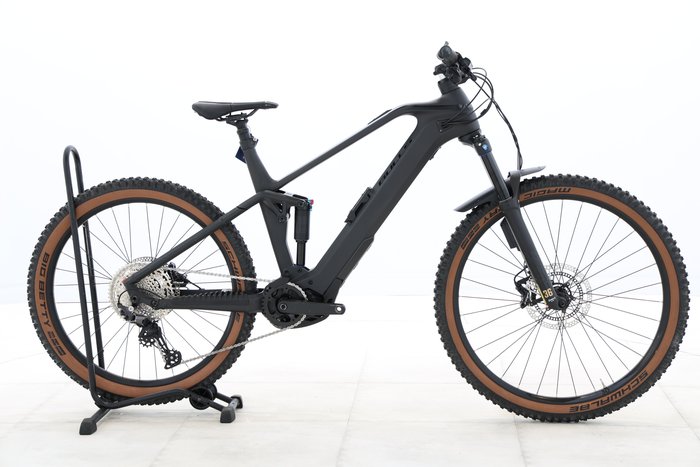
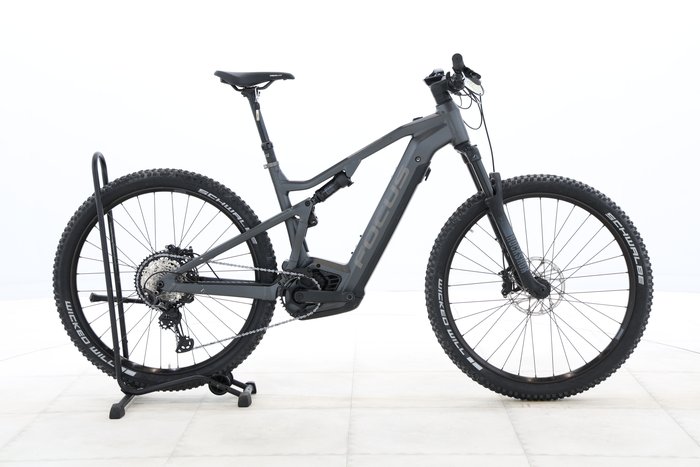
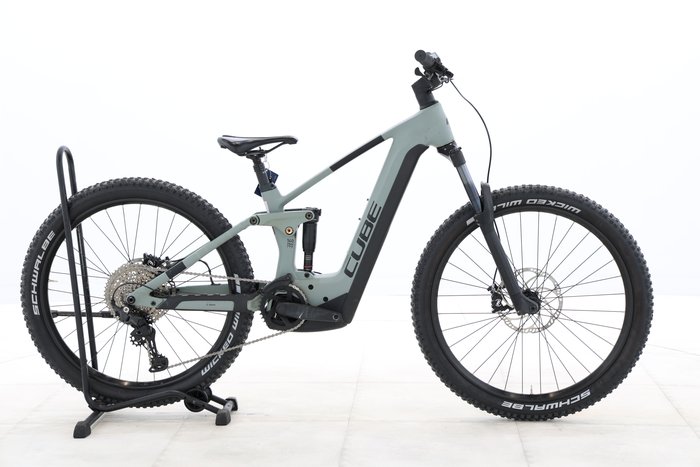
How long does an e-bike battery last?
There's no fixed expiry date on an e-bike battery. Its lifespan depends on how the battery is used, loaded, charged, and stored. Plus, modern lithium ion batteries are very durable. For example, Bosch laboratory testing shows that more than 80% of the original capacity remains after 1,000 charging cycles. This is equivalent to driving roughly 45,000 km with your bikes, or put differently that is 10+ years of use at an average of 85 km/week.
What does battery capacity or SoH mean?
When you see a number like "80% capacity," it's describing how much energy the battery can still hold compared to when it was brand new. This measurement is also called the State of Health (SoH). The SoH is tracked by the battery's internal built-in management system. It records charge cycles and tracks how much energy the battery can store and deliver. A certified technician reads this out with a diagnostic tool, which is also how a battery's condition can be verified before an e-bike is sold. Based on Bosch's lab testing, batteries typically reach around 80% SoH at roughly 1,000 charging cycles (Bosch eBike Systems Battery Care Guide, 2026). At that point the battery isn't "worn out" it's operating at four-fifths of its original capacity, which is still comfortable for most riders for daily use.
When does lower capacity become a problem?
There's no percentage where a battery suddenly stops being usable but the more it decreases, the more you will notice a decline in range and performance. If you are not sure whether the SoH of your bike is getting too low, please take it to a professional bike mechanic to talk through your options. Do not open or attempt to repair the battery yourself.
Does a 90% vs. 94% battery actually make a difference?
Most of our refurbished bikes fall within the 90%s, so how much does a few percent actually matter?
Picture two bikes side by side, one at 94% remaining capacity, one at 90%. In practice, that difference adds up to a few kilometers of range at most, not something you'd notice while riding. What's more useful than the exact number is the trend it points to, and whether the battery still comfortably covers the distances you actually ride. Therefore, it is mostly relevant as a data point for tracking the battery’s lifespan over time.
What impacts battery health?
- Assist level habits: frequent use of the highest support levels increases strain.
- Load: the combined weight of rider, luggage, and bike. On steep or long climbs, reducing load where you can ease the strain on the battery.
- Terrain: steep climbs and rough ground demand more from the battery than flat and smooth roads.
- Extreme temperatures: extreme heat and cold exposure accelerate wear.
- Unfavorable storage conditions: how and where the battery sits when it's not in use matters for durability.
- Charging habits: how it's charged matters for durability.
A bike ridden intensively every day, on hills, at full assist, will simply age faster than one used gently on shorter, flatter routes.
That said, your bike is built to be ridden. Don’t let this turn into something to stress over. Ride the way that suits you, and just keep these factors in mind when you can.
Can you trust a used battery?
E-bike batteries are built with multiple layers of protection, and used batteries are checked before sale.
Built-in protection:
- A battery management system monitors conditions and guards against overheating, overload, and running the battery empty.
- Individual cells are wrapped in flame-retardant material and electrically separated by an integrated fuse, so a fault in one cell doesn't cascade into the next.
- A sealing concept protects against water getting inside and the damage this causes.
Laboratory stress-testing:
Before a battery design goes to market, it's put through lab tests that deliberately push it well past anything it would face in real life. These show how much safety margin is built in; they're not a guide to how you should treat your battery.
- Drop test: dropped from 1 meter onto concrete, simulating a battery slipping from your hand.
- Water resistance test: sprayed with water jets up to 100 bar from multiple angles, simulating heavy rain or puddles. This is a controlled test of the seals, not a cleaning method, so when washing your bike, stick to a gentle hose or damp cloth and do not use a pressure washer.
- Vibration test: shaken to simulate the wear of an entire life cycle of rough roads and trails.
- Crush test: loaded with up to 1,000 times its own weight to check the housing holds up under pressure.
Our Refurbishment Process in 6 Steps
Our bikes are primarily former leasing bikes that were in use for a maximum of 3 years. To get them ready for use again, they undergo a 6 step standardized refurbishment process:

Now things are really getting started!
Once the bike arrives, it undergoes a thorough initial inspection.

We’ll take a closer look at e-bikes separately.
Every e-bike receives a software update. For popular brands like Bosch, Shimano, and Specialized, mileage, charge cycles and battery capacity are recorded so they can be listed in the online store later.
In the workshop, our trained mechanics meticulously maintain every bicycle and handle any necessary repairs.
All wear-and-tear parts are inspected. Suspension forks, shocks, and hydraulic seatposts are also tested. Components that no longer meet our quality standards are replaced with parts from reputable manufacturers.

We're playing it safe!
During the second check, the bike is thoroughly inspected from front to back and all functions are tested to ensure that the brakes no longer squeak and the gears shift smoothly.

Final push! Before the photo shoot, the bike needs to go through the cleaning process. Here, every bike is cleaned thoroughly yet gently, as we use low-pressure washers.
Now it is time for pictures. We take high-resolution photos so you can use the zoom function to get a clear picture of the bike’s condition and spot any cosmetic flaws.

Almost done!
Before the bike can be shipped to you, it needs to be prepared for safe transport. We prioritize sustainability and avoid unnecessary waste. In most cases, we can do without bulky bike boxes. Instead, we use reusable paper padding or blankets to protect the handlebars or suspension fork. Accessories such as pedals or chargers are delivered in a small separate box.
Battery Care Tips
Do:
- Charge partially: partial charges are completely fine for modern lithium-ion batteries. There's no "memory effect," and interrupting a charge doesn't damage it.
- Store it right: for longer storage, keep the battery at 30–60% charge, in a cool, dry place ideally at room temperature. Store it away from heat sources and out of direct sunlight. This should be done to preserve the condition of the battery and prevent a potential fire hazard from forming.
- Let it adjust: let a very cold or very hot battery reach room temperature before charging or riding.
- Keep it clean and dry: wipe the surface with a damp cloth and occasionally clean the contacts.
- Use a compatible charger: use the charger that comes with the bike and unplug it once charging is done. Charge in a supervised, dry, well-ventilated space, away from escape routes and flammable surfaces.
- Ease off on climbs: lower assist levels and lighter loads reduce strain, especially on steep terrain.
Don't:
- Don't store it empty, and don't fully drain the battery.
- Don't expose it to extreme heat or cold for extended periods.
- Don't clean it with a pressure washer or direct water jet.
- Don't submerge it in water.
- Don't replace it just because it's old. Reduced capacity doesn't automatically mean a new battery is needed, get it checked first.
- Don’t try to fix it yourself. If you feel like it is broken, please visit a local bike mechanic.

Cleaning
Do not use high-pressure-washer on the battery

Temperature
Store and charge at moderate temperatures

Charging
Charge regularly with compatible chargers

Riding
Your E-bike ist built to be ridden: Use it and have fun
So, Is a Refurbished E-Bike Worth It?
Our refurbished e-bikes have been tested and repaired before sale so you can trust that it is safe and durable. We rely on the real recorded figures of the battery to run diagnostics so it is not a guess whether you will get a good battery. We value transparency and record all the data on the product listing, so you know the health of your battery before purchase. This, combined with the built-in safety systems ensures that a refurbished e-bike isn't a compromise but gives you real value. A refurbished bike is up to 65% cheaper compared to new, it is more sustainable, and a great way to get a long-term reliable ride. We also provide a 2 year warranty on the battery and motor, so you don’t need to worry about anything.
